
Search for ice bath benefits and you will find long lists: less stress, better sleep, stronger immunity, a lift in mood, faster recovery. The cold plunge benefits on offer are much the same. Some of these come from studies, some from people’s own experience, and some from neither.
In January 2025, a team at the University of South Australia published a review in the journal PLOS ONE that brought together the randomised trials of cold water and wellbeing in healthy adults. It is a good place to start, because it set out to test the claims rather than collect them. This post goes through what it found: what changed, for how long, and what the evidence does not show.
What the studies call an ice bath
The review, led by Tara Cain, counted any time in water at 15°C or colder, for at least 30 seconds, as cold-water immersion. That takes in an ice bath, a cold plunge and a cold shower. In the research they are one and the same; only the way the water is kept cold differs.
Eleven randomised trials qualified, with 3,177 healthy adults between them. Ten used baths and one used showers. The water ranged from 7°C to 15°C, and people stayed in for anything from 30 seconds to 2 hours.
That spread matters when you read the results. Two minutes at 14°C and a long soak at 7°C are different experiences, and with so few trials the review could not tell them apart. Its findings describe cold water in general, not a particular temperature or time.
How a review like this works
A systematic review searches for every study that meets a set of rules decided in advance, so the answer doesn’t depend on which studies someone happened to pick. A meta-analysis then combines their results, so that several small trials add up to a clearer answer than any one of them. Where the trials measured the same thing in a similar way, the authors pooled the numbers. Where they didn’t, the results were described trial by trial, which carries less weight. Each trial was also rated for quality on the PEDro scale, a standard checklist for trials, and most came out as moderate.
What changed
Stress. People reported less stress after cold water, but not for long. In the lead author’s words, stress was lower “for only about 12 hours” after the exposure. The review calls the effects time-dependent: what you find depends on when you measure.
Sleep. Cold-water immersion was linked to better sleep. All of the sleep data came from men, so it says nothing yet about women.
Quality of life. People who took short cold showers rated their quality of life slightly higher. By three months, the difference had faded.
Sick days. One trial of regular cold showers found 29% fewer days off sick. It is a single trial, of showers rather than baths, and the review reports it on its own rather than as a pooled result.
What didn’t
Mood. The review found no improvement in mood.
Immunity. When the trials’ immune measures were pooled, there was no clear change in the short term. Beyond the one trial of sick days, the researchers said they found very little to support the claims made for immunity and mood.
The surprise: inflammation goes up first
Cold water is often sold as a way to bring inflammation down. Straight after the cold, the review found the opposite: markers of inflammation went up. An hour later the rise was no longer significant, and there was no clear difference at 24 or 48 hours either. Significant here is meant in the statistical sense: a difference too large to put down to chance.
The researchers read the rise as the body treating cold as a stressor, much as it responds to the muscle damage of hard exercise. So the trials show a rise straight after and no clear difference later. They do not show cold water bringing inflammation down.
Why the evidence is still thin
The authors are open about the limits. Eleven trials is a small number for a question this broad. Many of the groups were small, the people taking part were not very diverse, and the trials used very different temperatures and times. Most were rated of moderate quality. In the authors’ view there is not yet enough good research to say who benefits, or which temperature and time to use, and they call for longer studies in more varied groups of people.
An earlier review reached a similar view from another direction. In 2017, Mike Tipton and colleagues at the University of Portsmouth looked at cold water across its uses, from drowning, cardiac arrest and hypothermia to cooling people who have overheated. They found that many of the claims made for cold water have a credible rationale, while some rest on anecdote. Their point was that cold water is neither good nor bad in itself: what it does depends on the circumstances.
If you’re choosing an ice bath
Read together, the studies support a modest picture. Cold water is a stressor the body responds to. Stress was lower for about half a day afterwards, and there are early signs for sleep and quality of life. The long lists online go further than the trials do.
If an ice bath appeals as part of your routine, that is a reason to keep expectations realistic, and to choose one on practical grounds:
- How cold it gets, and how steadily. The trials used water from 7°C to 15°C. In Bali, keeping water that cold takes a chiller or a great deal of ice, and the warm air works against it all day.
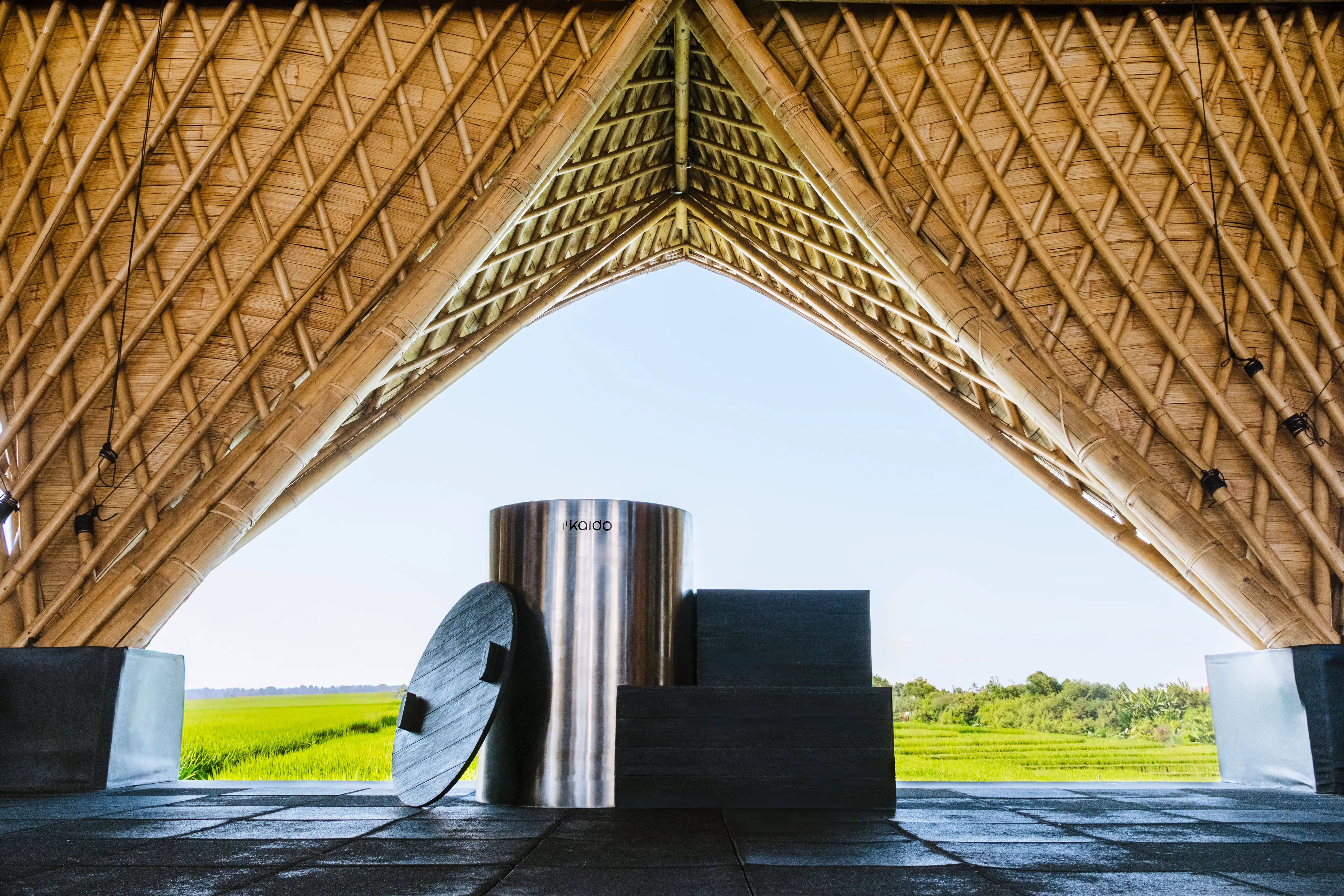
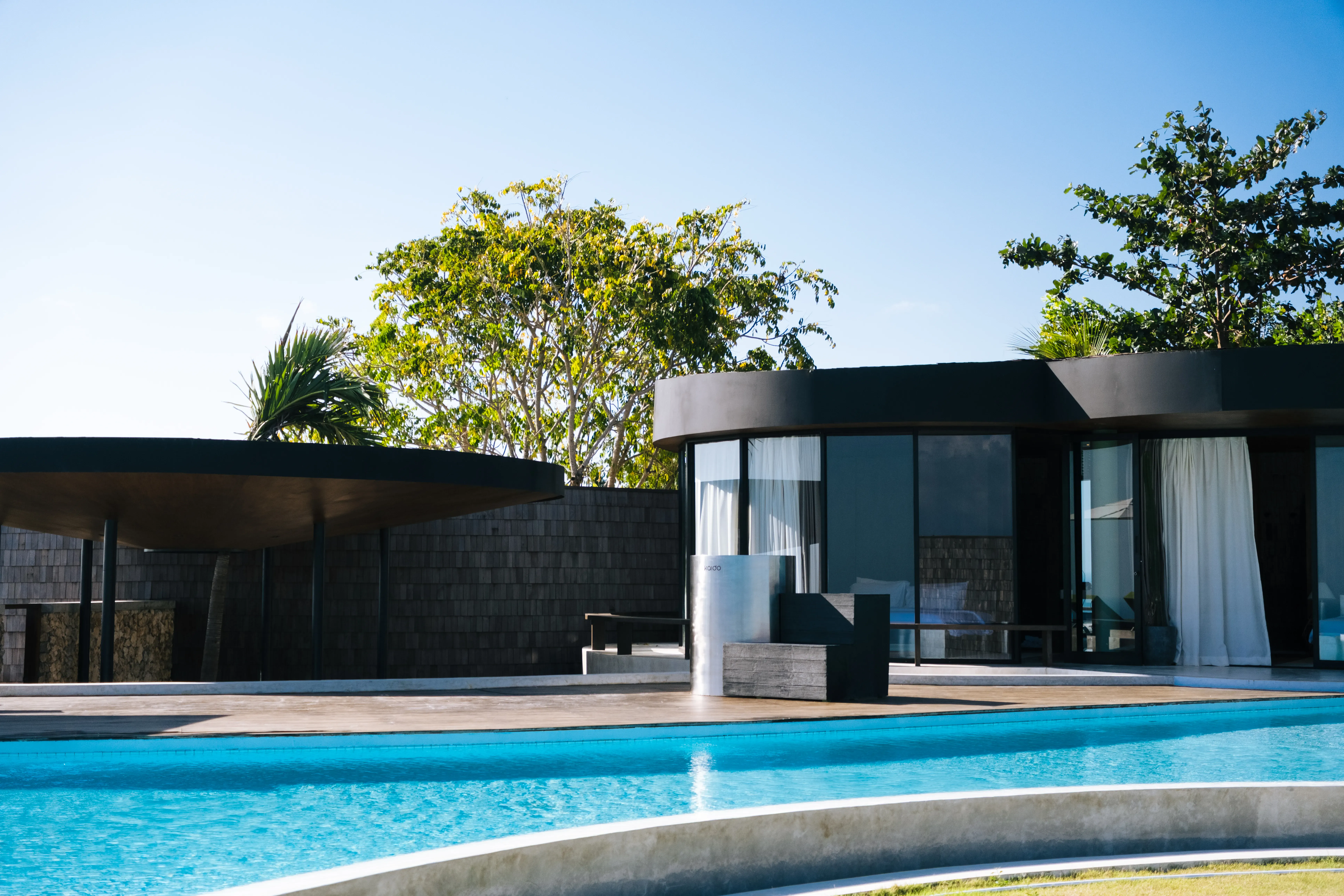
- The range. The Phantom and the Oracle each hold 550 litres anywhere from 3°C to 40°C, so you can start warmer than the studies did, go colder over time, or use it as a warm bath.
- The care. Water that many people use needs looking after. Both have ozone and a filter, with the water and the filter changed every two weeks; Kaido’s care plan does it for you.
- What it is made of. Both are SS316 marine-grade stainless steel, handmade in Bali, with a 3-year warranty from install.
The price guide sets out both models side by side, with what each one includes.
Before you get in
Cold water is a real load on the body, which is one reason the trials worked with healthy adults. The first minute brings a gasp and fast breathing, known as cold shock. A few rules apply whatever the temperature:
- Never use an ice bath alone.
- Talk to a doctor first if you have a heart condition or high blood pressure, or are pregnant. The South Australian team also advised extra care for anyone with an existing health condition.
- Start warmer and shorter than you think you need, and get out if you feel unwell.
The next post covers temperature, time and safety in more detail.